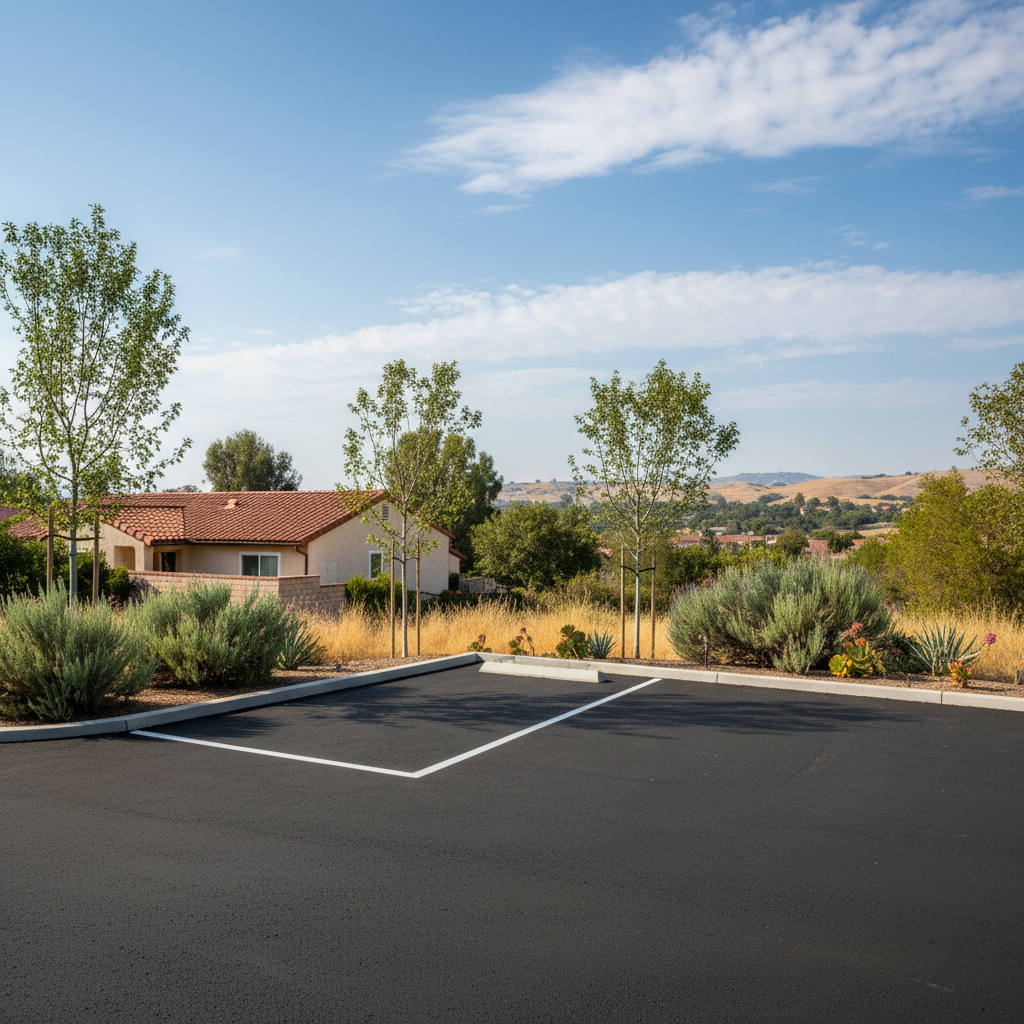
A parking lot isn't just a place for cars; it's often the very first thing people notice about your business. And let's be real, replacing one costs a ton of money. So, you want that asphalt to stick around as long as possible. Here in Pasadena, our blazing summers and those occasional heavy downpours really put asphalt to the test. I've seen plenty of lots go bad way too soon because folks didn't know what to watch for or how to take care of them.
Making Your Parking Lot Last Longer: It's Not Brain Surgery
You paid good money for that asphalt, right? So, let's chat about how to protect that investment. The biggest thing you can do is get ahead of problems. Think of it like maintaining your car – regular oil changes stop big engine issues. For asphalt, that means a few key steps:
- Sealcoating: This acts like your lot's sunscreen and rain jacket all rolled into one. It shields the asphalt binder from harsh UV rays, which are brutal here in Southern California, and helps keep water from seeping in. You don't need to do it every single year, but a fresh coat every 2-3 years, depending on how much traffic it sees and how sunny it gets, can make a massive difference.
- Crack Sealing: This is probably the most important maintenance you can do. Cracks are basically open wounds for your pavement. Water gets inside, especially during those heavy winter rains we get, and starts chewing away at the base layer underneath. Once that base fails, you're looking at potholes and alligator cracking, and then it becomes a much bigger, more expensive fix. Seal those cracks the moment you spot them.
- Good Drainage: This might seem obvious, but standing water is asphalt's worst enemy. Make sure your lot drains properly. If you see puddles after it rains, especially ones that hang around, you've got a problem. Water sitting on the surface softens the asphalt and can sneak into cracks, causing damage from the top down.
- Regular Sweeping & Cleaning: Debris, oil spills, and chemicals can break down your asphalt over time. Keeping the lot clean isn't just about looking nice; it actually helps prevent damage. Oil and gas, in particular, really eat away at the asphalt binder.
What Does Regular Maintenance Actually Look Like?
Beyond those bigger tasks, what should you be doing regularly? Mostly, it's about looking closely and acting fast. Walk your lot once a month. Seriously, just take a stroll and check things out. You're looking for new cracks, spots where water might be pooling, or areas where the asphalt looks faded or worn. If you run a busy commercial lot, you'll want to be even more on top of it.
For instance, a lot in a high-traffic spot like Old Town Pasadena, with constant delivery trucks turning and heavy foot traffic, will need more frequent checks and probably more aggressive maintenance than a smaller, residential complex lot up in the hills near the Rose Bowl. The kind of traffic really changes things.
Warning Signs You Absolutely Can't Ignore
Your parking lot will tell you it's hurting, if you just know how to listen. Here are the big red flags:
- New Cracks: Especially those long, linear cracks running across the pavement, or the spiderweb-like ones (that's alligator cracking). These signal structural failure or fatigue.
- Potholes: These are way past the crack stage. Water has gotten in, maybe frozen (not often here, but it can happen in really cold snaps), expanded, and then traffic has broken away the surface. Fill them quickly!
- Fading or Graying Asphalt: This means the asphalt binder is oxidizing and losing its flexibility. It's getting brittle and much more likely to crack. This is exactly where sealcoating comes in handy.
- Depressions or Uneven Surfaces: If you notice areas where the pavement is sinking, that's a sign of a failing base layer. This needs professional attention fast, before it turns into a complete collapse.
- Drainage Issues: Again, standing water is a huge problem. If your drains are clogged or the grading is off, you'll see things fall apart much faster.
When to Call a Professional (Like Pasadena Precision Asphalt)
Look, you can handle sweeping and maybe even some small crack filling yourself if you're handy. But for anything beyond that, you really need to bring in the pros. Here's when to pick up the phone:
- Lots of Cracks: If cracks cover a big chunk of your lot, or if they're wider than, say, a quarter-inch, you need an expert to look at it.
- Potholes Everywhere: A few small ones you might patch, but if your lot looks like a minefield, it's time for a professional repair plan.
- Alligator Cracking: This is a clear sign of serious base failure and usually means you're looking at a bigger repair, maybe even replacing a whole section.
- Sealcoating: This isn't a DIY job if you want it done right and to actually last. You need the proper equipment and materials.
- Drainage Problems: Fixing grading or putting in new drains requires specialized knowledge and equipment.
- Anytime You're Unsure: Seriously, if you're scratching your head, just call us. We'd much rather give you an honest assessment and a cost-effective solution than see you waste money on a temporary fix that doesn't get to the root of the problem. We've been doing this for years here in Pasadena, and we know what works for our local conditions. Don't wait until a small issue turns into a complete parking lot overhaul.