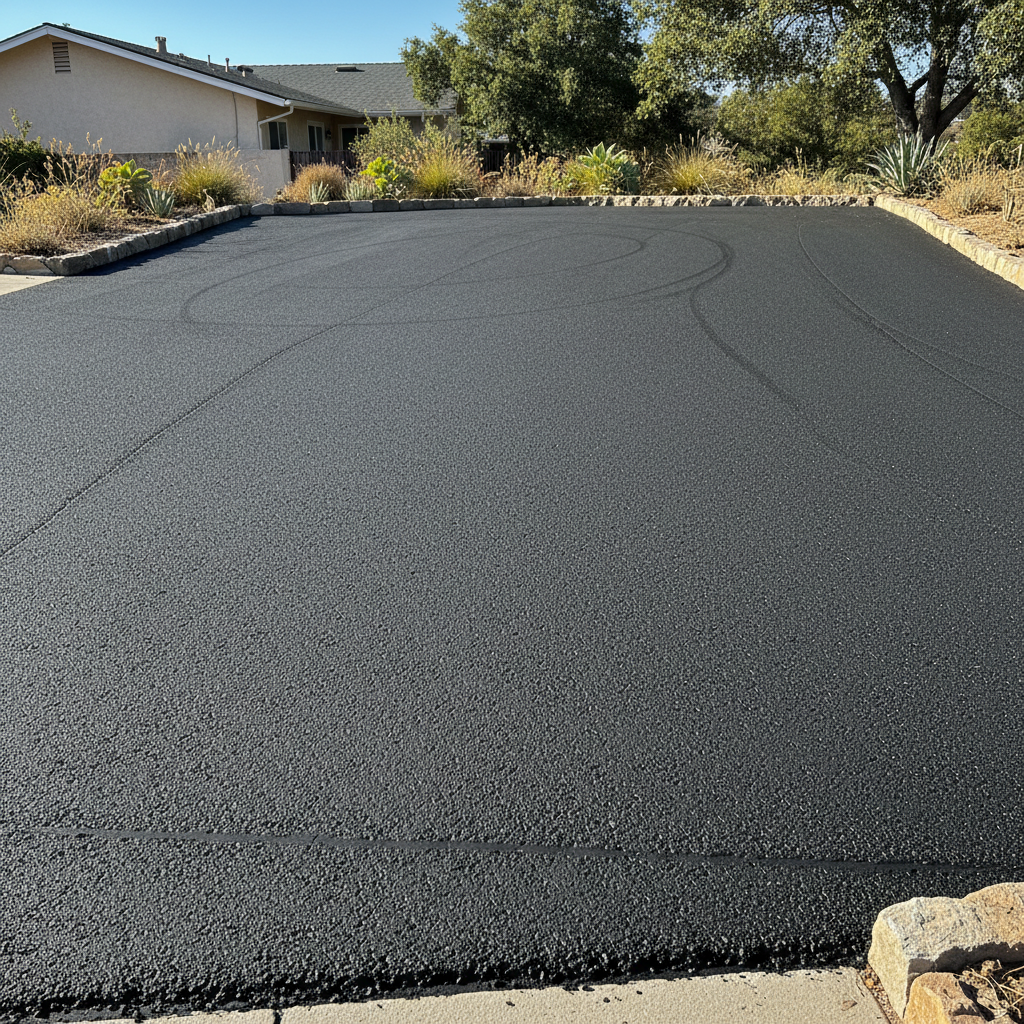
Alright, let's talk about parking lots for your home here in Pasadena. Maybe you've got a growing family, a few too many cars for the street, or you just want a cleaner, more functional space. Whatever the reason, paving a parking area is a big deal, and you want to make sure it's done right the first time. I've seen plenty of projects, good and bad, and I'm here to give you the straight scoop on what you can realistically tackle yourself versus when it's smart to call in the pros.
Before You Even Think About Paving
First things first, don't just grab a shovel and start digging. You've got some homework to do. The biggest hurdle for homeowners around here is usually permits and local regulations. Pasadena has its own set of zoning codes and building requirements, and you really don't want to get hit with a stop-work order or fines because you skipped this step.
You'll need to check with the Pasadena Planning and Community Development Department. They handle all the building permit applications and code enforcement. You can find them at 175 North Garfield Avenue, and they've even got an online portal to track your application. What kind of permits? Well, if you're doing any significant construction or alteration, you'll likely need one. This isn't just for new buildings; it applies to big renovations too. They want to make sure everything meets local safety standards, which, honestly, is for your own good.
Beyond permits, think about your soil. Pasadena's soil can be a mix of sandy loams and clays, especially if you're closer to the Arroyo Seco. Clay soils, for instance, can have poor drainage and compaction issues. You might even need a soils report for new construction or significant additions, particularly if you're on a hillside. This isn't something you can DIY. A licensed geotechnical engineer needs to do that kind of work. Knowing your soil type helps ensure your asphalt won't shift or crack prematurely, saving you headaches and money down the line. Pasadena Precision Asphalt always considers these local conditions when we plan a job.
Drainage is another huge one. We get those intense winter rains sometimes, right? You need to make sure water runs off your new parking area properly and doesn't pool up or, worse, run onto a neighbor's property or into the street in a way that causes issues. Proper grading is critical. This is where a professional's expertise really shines, as they'll design the slope and potentially incorporate drainage solutions like catch basins.
During the Paving Project: DIY vs. Pro
Okay, so you've got your permits, you understand your soil, and you've got a plan for drainage. Now for the actual work. What can you do yourself?
- Clearing the area: You can definitely clear out debris, weeds, and anything else that's in the way. If there's old pavement, you might even be able to break it up with a jackhammer if you're feeling ambitious and have the right tools.
- Basic excavation (small scale): For a very small, shallow parking pad, you might be able to do some light digging and leveling yourself. But I'm talking small, like a single car space, and only if the ground is relatively easy to work with.
When do you absolutely need to call in the pros? Pretty much everything else, especially for anything beyond a tiny patch. Here's why:
- Heavy excavation and grading: This isn't just digging a hole. It's about creating a perfectly sloped and stable base. You need heavy machinery and the know-how to operate it safely and effectively. Improper grading leads to drainage problems and premature pavement failure.
- Sub-base preparation: This is the foundation of your parking lot. It involves laying down and compacting layers of aggregate. You need specific materials and heavy compaction equipment to get it dense enough to support vehicles without sinking or cracking. We're talking 95% relative density here. If you skip this or do it poorly, your asphalt won't last.
- Asphalt application: This is specialized work. Asphalt needs to be laid at a specific temperature, thickness, and then compacted immediately with heavy rollers. It cures quickly, so you don't get a second chance to smooth it out. Trying to do this yourself will almost certainly result in an uneven, weak, and short-lived surface.
- Line striping and ADA compliance: If your home parking area needs to accommodate guests or is part of a multi-unit property, you might need ADA-compliant parking spaces, ramps, and signage. This requires specific measurements and specialized painting equipment.
A typical residential paving project, done right, usually takes a few days. That includes excavation, base prep, and laying the asphalt. It's a process with a lot of moving parts.
After the Paving: Keeping It Pristine
Once the new asphalt is down, don't just jump in your car and drive on it. You need to give it time to cure. We usually recommend waiting at least 24-48 hours before driving on it, and about a week for heavy vehicles. Let that asphalt harden up properly.
Maintenance is key to making your investment last, especially with our sunny Pasadena weather and those occasional downpours. Here's what you should do:
- Sealcoating: This is like sunscreen for your asphalt. It protects it from UV rays, water, and chemicals. You should plan to sealcoat every few years. It's a relatively easy DIY job for a small area if you're careful, but for larger spaces, a professional application will give you a more even and durable finish.
- Crack repair: Small cracks can turn into big problems if left alone. Fill them promptly with an asphalt crack filler. You can buy these at hardware stores. It's a simple, cost-effective way to prevent water from seeping into the sub-base and causing more damage.
- Cleaning: Keep your parking area clean of debris, oil spills, and chemicals. A good sweep and occasional wash can go a long way.
Remember, a well-maintained parking lot adds value and curb appeal to your Pasadena home. Don't cut corners on the upfront planning or the professional work, and you'll have a smooth, durable surface for years to come.