So, you've got an asphalt driveway, or maybe you're just thinking about getting one. Either way, you probably have a few questions, right? Good! It's a pretty big investment, and honestly, you should know exactly what you're getting into. I'm Mike, by the way, owner of Pasadena Precision Asphalt. I've been doing this for a long, long time. Here are the questions I hear most often from folks right here in Pasadena, along with my honest answers.
How long should my new asphalt driveway actually last?
This one's probably the top question I get. A properly installed asphalt driveway, one that's done right the first time with good materials and a solid base, should easily last you 20 to 30 years. Seriously. But that's only if you treat it well. Think of it like your car – you wouldn't expect it to run forever without oil changes, would you? It's the same deal with asphalt. Regular sealcoating and quick minor repairs are absolutely crucial. If you neglect it, you'll be lucky to squeeze out 10-15 years before you're facing major headaches or even a full replacement.
What's the deal with sealcoating? Do I *really* need it?
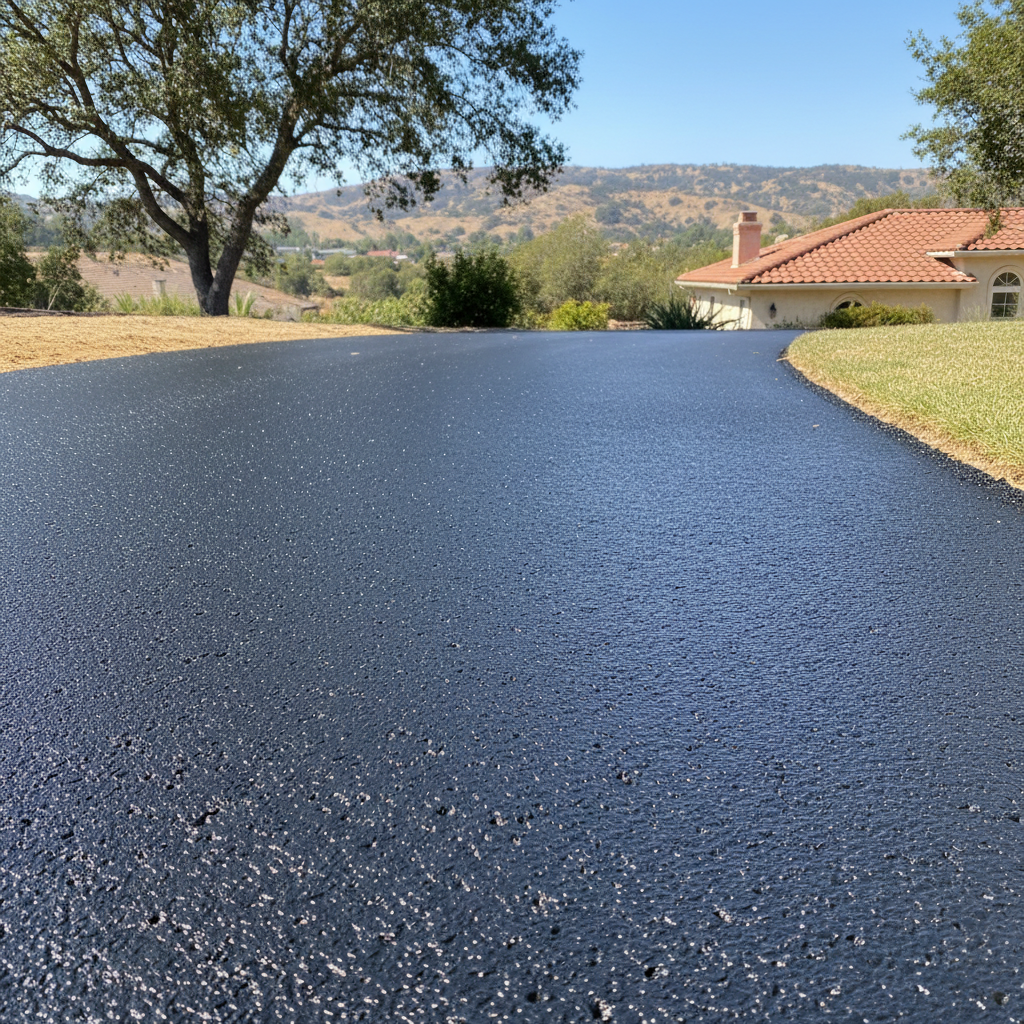
Oh, you absolutely need it. Think of sealcoating as sunscreen and a tough protective layer for your asphalt. Our Pasadena sun, especially during those long, hot summers, is just brutal on asphalt. It dries out the binders, making the pavement brittle and prone to cracking. Sealcoat protects against those harsh UV rays, stops water from getting in, and even fends off chemicals like oil and gas spills. Plus, it brings back that rich black look, which, let's be honest, just makes your home look better. I usually tell people to sealcoat their residential driveways every 2-3 years. Don't wait until it looks faded and gray; by then, the damage has already started.
When can I drive on my new asphalt or freshly sealed driveway?
For a brand new asphalt installation, you should wait at least 24-48 hours before driving on it. And if it's a particularly hot day? You might need to wait even longer. Asphalt needs time to cure and harden properly. If you drive on it too soon, especially with heavy vehicles, you can create ruts or indentations that will be permanent. For a freshly sealcoated driveway, the wait time is pretty similar, typically 24-48 hours. Again, hotter, more humid conditions might mean you need to give it a little more time. I always tell my customers: if you can still smell the fresh asphalt or sealcoat strongly, it's probably still curing. Patience really pays off here.
What causes cracks in my asphalt, and how serious are they?
Cracks are, unfortunately, pretty common. But their seriousness can vary quite a bit. Most cracks start small, often because the asphalt dries out and shrinks, or from minor ground movement. Our clay soils here in Pasadena, especially in areas like San Rafael Hills, can expand and contract with moisture changes, putting real stress on pavement. Once cracks form, water becomes asphalt's biggest enemy. It gets in, freezes (which rarely happens here, though it does in the mountains sometimes, and the principle is the same), expands, and widens the crack. Or, more commonly around here, it just weakens the base layer underneath. Small cracks (the hairline kind) can often be filled with crack sealant. Larger, "alligator" cracking (you know, the kind that looks like alligator skin?) usually points to a deeper problem with the base and might need more extensive repair, like patching or even a section replacement. Don't ignore cracks; they only get worse and more expensive to fix, believe me.
How do I clean oil stains or other spills off my asphalt?
The key here is speed. The quicker you get to a spill, the better your chances of removing it without a permanent stain. For fresh oil or gas, try to absorb as much as possible with cat litter, sawdust, or sand. Let it sit for a few hours, then sweep it up. For any remaining stains, a stiff brush with a strong degreaser (like a commercial driveway cleaner, or even dish soap if you're in a pinch) and hot water can often work wonders. Scrub it in, let it sit for 15-20 minutes, then rinse thoroughly. You might need to repeat this a few times. Just be careful with really harsh chemicals or pressure washers, as they can actually damage the asphalt binder or strip away your sealcoat. If you're planning to sealcoat soon, a good cleaning beforehand is absolutely crucial for proper adhesion.
Can I put a basketball hoop or heavy planter on my asphalt?
You can, sure, but you need to be mindful of where you put heavy, stationary objects. If you're placing a basketball hoop with a water-filled base, or a heavy planter, try to put it in an area that gets less direct sunlight or less traffic. The concentrated weight on a small footprint, especially on a hot day when asphalt is softer, can cause indentations over time. If you absolutely have to put something heavy down, consider placing a piece of plywood or a wide, flat paver underneath to help distribute the weight. This is especially true for things with small feet or sharp edges. It's all about preventing those permanent divots, you know?
Hopefully, this clears up some of your asphalt questions. If you've got more, or you're ready to get some work done, just give Pasadena Precision Asphalt a call. We're always happy to talk shop and help you keep your driveway in top shape.