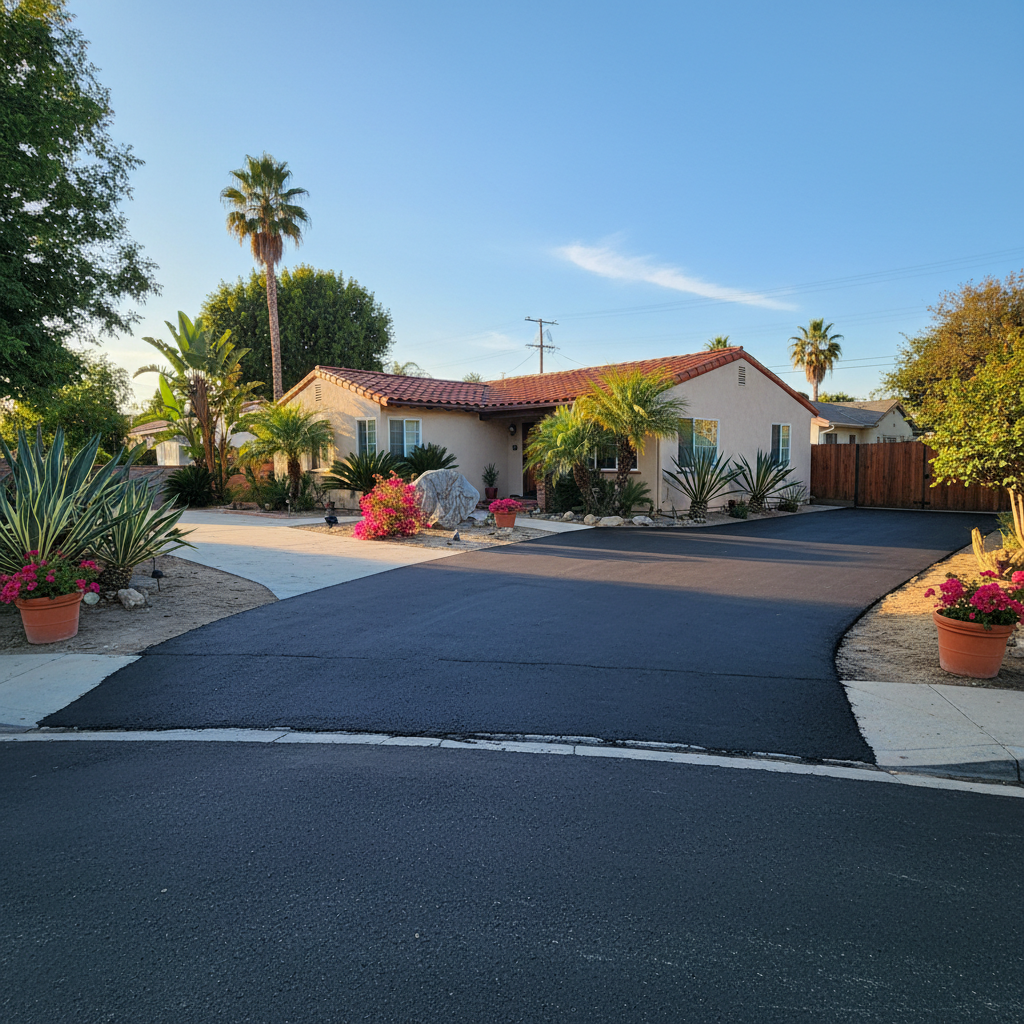
Got a cracked driveway or some nasty potholes? Thinking about finally getting them fixed? Good. Ignoring those problems usually just makes them worse, and honestly, more expensive down the road. But hey, before you just pick up the phone and call someone, let's chat a bit about what goes into a successful asphalt repair project right here in Pasadena. It's not just about getting the work done; it's about planning things out properly so you don't hit any unexpected snags.
Figuring Out Your Project Timeline
"How long does asphalt repair actually take?" That's often one of the first things people ask me. And the honest answer? It really just depends. A small pothole might be a quick fix, just a few hours. But a bigger area of alligator cracking, one that needs milling and a new top layer? That could easily be a day or two of actual work. Keep in mind, though, the 'project timeline' starts way before our crew ever shows up.
- First Contact & Quote: This part can take anywhere from a few days to a week. You give us a call, we set up a time to visit, check out the damage, and then send over a detailed quote. Good contractors are busy, especially during our peak season (which, let's be real, feels like most of the year in Pasadena thanks to our mild weather, though things do slow down a touch when it's really scorching).
- Scheduling the Work: Once you've approved the quote, we'll get you onto our calendar. This could be a week out, or maybe several weeks, depending on how busy we are and how big your job is. Don't expect us to be there tomorrow for a major repair, okay?
- Permits (Sometimes Needed): For most residential asphalt repairs, you probably won't need a permit. But if your project involves big changes to drainage, or the ground level, or if it's a commercial property with specific city rules, then permits could add weeks to the very beginning of your timeline. We'll definitely let you know if this applies to your situation.
- Actual Work Duration: Like I said, this really varies. We'll give you a clear estimate once we've seen the full scope of the job.
- Curing Time: This is super important. Fresh asphalt needs time to harden up. You'll typically need to keep vehicles off it for 24 to 72 hours; sometimes even longer if it's a spot with really heavy traffic. We'll give you precise instructions for your specific job.
What Happens During the Repair Process
Alright, so you've got a date on the calendar. What happens when the Pasadena Precision Asphalt crew rolls up?
First off, be ready for some noise and activity. We work with heavy equipment — saws, jackhammers, rollers, and trucks. It's definitely not a quiet job. We'll mark out the areas that need fixing, and then the real work begins.
- Preparation: This step is critical. We'll clean the area thoroughly, getting rid of any loose debris, dirt, or plants. For patching, we might cut out the damaged section in a neat, rectangular shape. If it's a bigger area, we might mill down the existing asphalt.
- Base Repair (If Necessary): If the material underneath is damaged — which often happens in older homes, say in areas like Bungalow Heaven where foundations can shift and affect driveways — we'll have to fix that first. A weak base means your new asphalt just won't last.
- Applying New Asphalt: Next, we'll lay down the hot asphalt mix. Our crew knows how to get the thickness and density just right. Then, we compact it with rollers. This is where it all comes together, turning that loose mix into a solid, smooth surface.
- Sealing (Optional, but Smart): Once the asphalt has cured for a few weeks or months, we often suggest sealcoating. This protects your investment from things like UV rays, water, and oil spills, making it last a lot longer.
We always try to be as efficient as possible and cause the least disruption. We'll keep you in the loop about our progress and any temporary access restrictions.
How to Get Ready for Your Asphalt Repair
You can do a few things to make the whole process smoother for everyone involved:
- Clear the Area: Move your cars, bikes, trash cans, planters, and anything else off the driveway or repair spot. We need clear access, plain and simple.
- Tell Your Neighbors: If the work might affect their access or create some noise, a heads-up from you goes a long long way.
- Secure Pets: Keep your furry friends safely inside or far away from the work zone. Hot asphalt and heavy machinery are not safe for curious pets.
- Mark Sprinklers/Utilities: If you have any underground sprinklers, low-voltage lighting, or other utilities near the repair area, mark them clearly with flags or paint. We're careful, but knowing exactly where they are helps prevent accidental damage.
- Plan for Access: Remember that curing time we talked about? You won't be able to drive on the new asphalt right away. Plan for alternative parking or access for a few days.
Questions to Ask Before You Agree to Anything
Don't just sign the first contract that lands in front of you. Ask these questions to make sure you're getting a fair deal and a reliable contractor:
- What's your exact repair method for my specific damage? Don't settle for vague answers, seriously. You want to know if they're patching, overlaying, or doing a full-depth repair.
- What kind of asphalt mix do you use? Different mixes work better for different situations.
- What's included in the price? Make sure the quote covers absolutely everything — materials, labor, site prep, cleanup, and disposal. No hidden fees, ever.
- Do you guarantee your work? A good contractor will stand behind their repairs. Ask about their warranty period and what it actually covers.
- Are you licensed and insured in California? This is non-negotiable. You need to know they're legitimate and that you're protected if something goes wrong.
- Can you provide references from other Pasadena homeowners? Hearing from past clients is a fantastic way to check out their reliability and quality.
- How do you handle unexpected issues? Sometimes, we uncover more extensive damage once we start digging. Ask how they'll communicate these findings and adjust the plan and cost.
Getting your asphalt repaired doesn't have to be a huge headache. With a little planning and by asking the right questions, you'll ensure a smooth process and a durable, good-looking result that'll serve your Pasadena home for years to come.