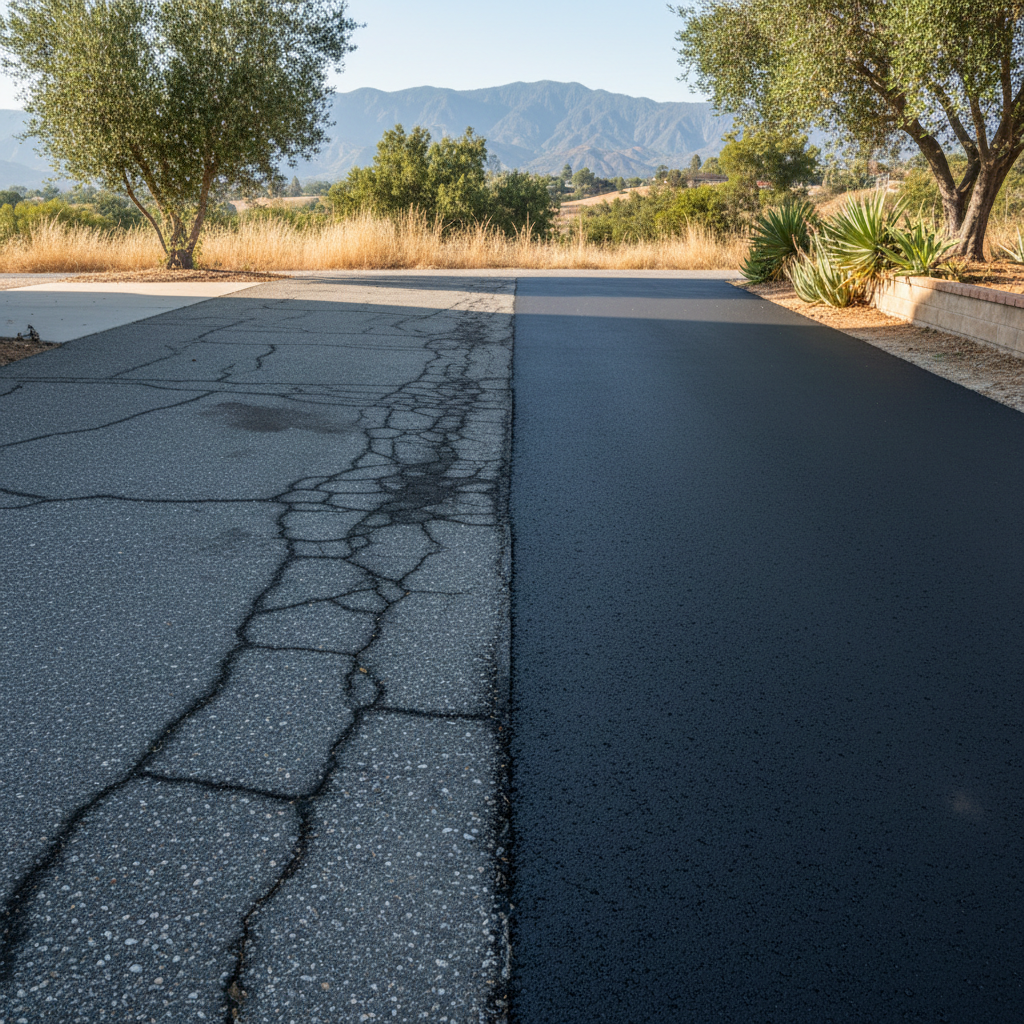
So, you're thinking about a new driveway, huh? It's a big decision, and honestly, it's one of those things you want to get right the first time. Most folks in Pasadena narrow it down to two main choices: asphalt or concrete. Both have their pros and cons, and what's right for your neighbor up in the hills might not be the best fit for your place down in Bungalow Heaven.
Initial Costs: What Hits Your Wallet First?
Let's talk money, because that's usually the first thing on everyone's mind. Generally speaking, asphalt is almost always cheaper upfront than concrete. We're talking a significant difference per square foot, especially for larger driveways. This is because the materials themselves are less expensive, and the installation process can often be quicker. If you're on a tighter budget or just want to save some cash for other home improvements, asphalt usually wins this round hands down.
Concrete, on the other hand, costs more to buy and more to install. It requires a different kind of base prep and a more labor-intensive pouring and finishing process. So, if your main concern is the initial outlay, asphalt's going to look pretty attractive.
Durability and Lifespan: How Long Will It Last?
Now, just because something's cheaper upfront doesn't mean it's always the best deal in the long run, right? Both asphalt and concrete are tough, but they handle things differently. A well-installed asphalt driveway can last 15-20 years, sometimes more, especially if you keep up with the maintenance. It's flexible, which is a big plus here in California. Our ground shifts a bit, we get those crazy temperature swings from hot summer days to cool winter nights, and asphalt can expand and contract without cracking as easily as concrete.
Concrete is super durable too, and it can last 20-30 years or even longer. But it's rigid. When it cracks, it really cracks, and those cracks are harder to fix seamlessly. Think about the expansion joints you see in concrete sidewalks – they're there for a reason. Without them, or if the ground underneath moves too much, you're looking at some serious repair work down the line.
Maintenance: What's the Upkeep Like?
This is where the two really diverge. Asphalt needs a bit more love over its lifetime. To get that 15-20 years out of it, you'll want to sealcoat it every 2-5 years. This isn't just for looks; it protects the surface from UV rays, water, and oil spills, keeping it flexible and preventing deterioration. It's a relatively inexpensive process, and it makes your driveway look brand new again. Small cracks and potholes are also pretty easy and affordable to patch.
Concrete, while seemingly lower maintenance, isn't maintenance-free. You'll still want to clean it regularly and seal it every few years to protect against stains and moisture, especially if you've got a decorative finish. When concrete does get damaged, though, repairs can be a headache. Patching concrete rarely blends perfectly, and if you have a big crack or a crumbling section, you might be looking at tearing out and replacing a whole slab, which is a much bigger job than an asphalt patch.
Appearance: What Look Are You Going For?
Aesthetics matter, especially when it comes to your home's curb appeal. Asphalt gives you that classic, deep black finish. It looks sharp and clean, especially right after a fresh sealcoat. It's a pretty uniform look, though you can get different aggregate sizes for a slightly varied texture.
Concrete offers a lot more versatility in terms of appearance. You can get it stamped, stained, colored, or exposed aggregate. If you're going for a specific architectural style or want something truly unique, concrete gives you more options for customization. But remember, those fancy finishes usually mean a higher price tag.
The Pasadena Precision Asphalt Recommendation
So, which one should you choose for your Pasadena home? Given our local conditions – the hot sun, occasional heavy rains, and the general movement of our California soil – I lean towards asphalt for most residential driveways. Here's why:
- Flexibility is Key: Asphalt's ability to flex with ground movement and temperature changes means fewer major cracks compared to rigid concrete. That's a big deal here.
- Cost-Effective Long-Term: While it needs sealcoating, those maintenance costs are generally lower and more manageable than major concrete repairs or replacements. You can budget for a sealcoat every few years, whereas a concrete slab replacement can be a sudden, expensive surprise.
- Faster Repairs: If a pothole or crack does appear, asphalt repairs are usually quicker, less disruptive, and more affordable.
- Resurfacing Option: When an asphalt driveway eventually wears out, it can often be milled and resurfaced, which is less invasive and costly than tearing out and replacing a concrete driveway.
Don't get me wrong, concrete is a fine material, and it has its place. But for a practical, durable, and cost-effective driveway that stands up well to our specific environment, asphalt is often the smarter choice for Pasadena homeowners. If you're ready to talk specifics for your property, give us a call at Pasadena Precision Asphalt. We'd be happy to come out, take a look, and give you an honest assessment.